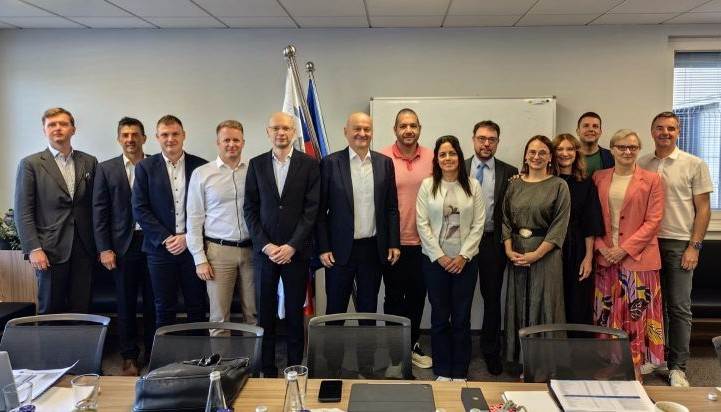
We recently participated again in discussions with representatives of the European Commission, specifically with DG Connect, which coordinates the programme Digital Decade — Fact-finding Mission 2024 EU. We focused on the implementation of the national strategy and action plan for the digital transformation of Slovenia.
We discussed the measures implemented by Slovenia over the past year, including the adaptation of the National Plan for the Digital Decade. We focused on the key areas:
- the digitalisation of small, medium and start-up companies,
- introduction and development of advanced technologies,
- strengthening digital skills and increasing the number of ICT professionals;
- Digitalization of public services.
We paid particular attention to urgent but too slow changes in the education system, especially in the area of digital skills and better digital literacy. It is also essential to strengthen knowledge of information and new technologies. In addition to formal education, other forms of additional training and advanced training for adults, both in employment and others, play an important role — including programmes re.skillinginup.skilling.
We drew attention to several measures from the Digital Transformation Action Plan of Slovenia, which encourage girls and women to choose STEM professions. Unfortunately, these measures — and the financial resources associated with them — are, in our view, even too fragmented between different ministries, which hinders progress. A more focused and targeted approach is needed in this area.
We especially pointed out that the Ministry of Digital Transformation does not play a strong enough, let alone a leading and decisive role in the key projects of digitalization of state institutions and public services. We also drew attention to the lack of expertise in the preparation of public procurement in the field of digitalization in state bodies. This often leads to significantly too long procedures, cancellations, revisions and repetitions of tenders.
As an example of such delays, we highlighted the introduction of the services of a remote notary or e-notary, which we have been waiting for for several years. This service would significantly facilitate business and bring significant benefits, especially in attracting foreign investors and setting up companies with foreign shareholders or owners.
Faster response, effective action and consistent implementation of changes are crucial for Slovenia's real breakthrough.